


What Is the Average Car Battery Life?
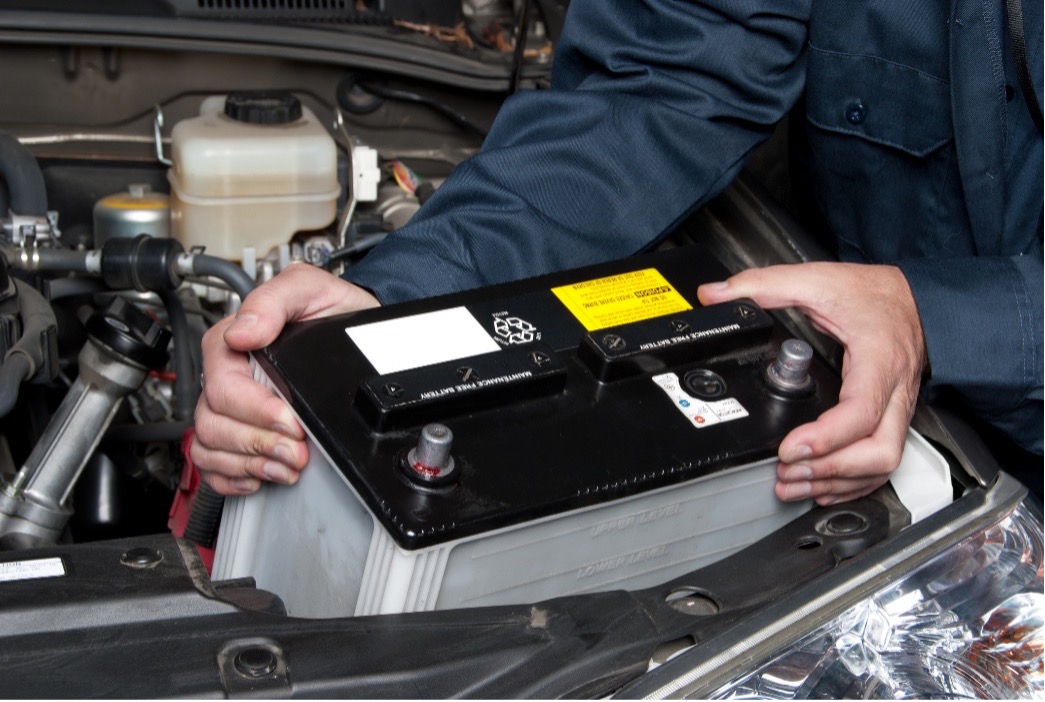
Every driver knows that the battery is one of the most crucial components of a vehicle. Its main purpose is to provide electric current to the starter motor, which starts the engine’s operation.
Aside from starting your engine, your battery essentially supplies electricity to other parts that need it, such as the alternator, electronic control unit (ECU), and anti-theft system. Once the engine is running, the alternator takes over the job of supplying electricity to the rest of the car components like the headlights, wipers, and power windows. Still, the battery is needed to stabilize voltage and protect other components from power surges.
Just like any battery, the one in your car will eventually get depleted of its energy. Given this inevitable fact, how long can we expect a car battery to last?
The Average Lifespan of a Car Battery
Some car owners report batteries last them for 2 years only, while others say theirs were good for 5 years. In general, the average car battery life is 3 – 4 years, but how long it lasts depends on many factors. Here are some factors that affect battery life:
- Temperature
The climate you live in can affect the lifespan of your car battery. Hot temperatures speed up the chemical reactions inside the battery, which can also degrade it.
Freezing temperatures, on the other hand, can slow down the chemical reactions inside the battery. This can cause the battery to lose some of its strength.
- Driving and Maintenance Habits
Habitually leaving your car idle for extended periods can drain your battery over time. Not driving your car often or frequently going only on short trips does not give the alternator enough time to recharge the battery. Skipping regular maintenance can also leave potential battery problems unchecked.
- Condition of the Alternator
As the alternator does the heavy lifting for the battery when the car is running, its condition should also be checked regularly. A bad alternator will not sufficiently charge the battery. If it fails, the battery can get drained shortly.
- Corrosion and Dirt
When corrosion builds up on the battery terminals, resistance increases within the circuit, which means your battery needs to work harder than it should. The buildup of dirt and debris on or around the terminals can also affect battery life. Dirt can act as a conductor, so it will use up energy when it comes in contact with the terminals.
Putting these factors into consideration will help prolong the lifespan of your car’s battery. To determine if your Toyota needs battery replacement, get in touch with the service department at Nashville Toyota North in Madison, TN. You can also use our online service scheduler to book an appointment.
Connect with us


- August 2026
- July 2026
- June 2026
- May 2026
- April 2026
- March 2026
- February 2026
- January 2026
- December 2025
- November 2025
- October 2025
- September 2025
- August 2025
- July 2025
- June 2025
- May 2025
- April 2025
- March 2025
- February 2025
- January 2025
- December 2024
- November 2024
- October 2024
- September 2024
- August 2024
- July 2024
- June 2024
- May 2024
- April 2024
- February 2024
- December 2023
- August 2023
- July 2023
- June 2023
- May 2023
- April 2023
- March 2023
- January 2023